We use cookies to allow secure access to your Herbs For Healing account and to analyse our website traffic. By browsing our website, you consent to our use of cookies
herbsforhealing
Browse, learn, shop and get well. Naturally.
Registered Medical Herbalist
Luzia Barclay
DBTh MIRCH
Tel: 01722 330663
- Main Menu
- Home
- News
- About
- Contact
- Information
- Frequently asked questions
- Herbal Medicine
- Herb Directory
- Newsletters
- Factsheets
- Useful Links
- Consultations
- About Consultations
- Book a Consultation
- Courses
- Course Listings
- Book a Course
- Online Shop
- Herbs & Seeds
- Ground Clay Products
- Bee Products
- Gift Vouchers

Luzia Barclay, of Herbs for Healing has been trading online since 2006. Browse with confidence!
Herbal Directory
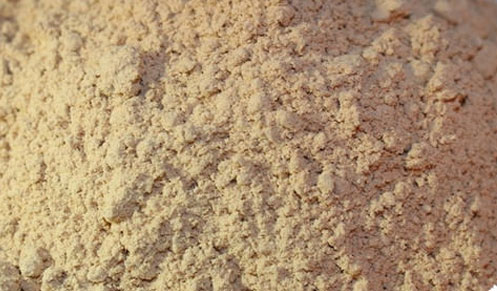 It neutralises acidity, protects, and coats mucous membranes along the GI tract.
Slippery elm buffers damaged, inflamed, and irritated wall linings of the stomach and intestinal tract.
Slippery elm bark has a lot of life sustaining nutrients.
It is indicated for the following symptoms: indigestion, nausea, cramps, ulcers, colitis, gastritis, GI hyperacidity, digestive problems, kidney problems, diarrhoea, constipation, wasting diseases, and cancer.
Slippery elm also works as an expectorant.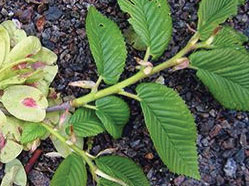 It increases bronchial secretion, which loosens up mucous along the throat.
This decreases the viscosity of the phlegm and aids the body in removing it.
Slippery elm is recommended for the following lung conditions: asthma, bronchitis, sore throats, coughs, hoarseness and tonsillitis.
Because slippery elm softens, soothes, neutralizes, and removes inflammation from skin, it can be used externally as well.
It works great for nappy rash, burns, eczema, haemorrhoids, boils, sores, and wounds.
Just mix slippery elm in some water to make a thick paste and apply it directly on the affected area.
Slippery Elm
(Ulmus fulva)
Slippery elm buffers damaged, inflamed, and irritated wall linings of the stomach and intestinal tract.
Slippery elm bark has a lot of life sustaining nutrients.
It is indicated for the following symptoms: indigestion, nausea, cramps, ulcers, colitis, gastritis, GI hyperacidity, digestive problems, kidney problems, diarrhoea, constipation, wasting diseases, and cancer.
Slippery elm also works as an expectorant.
It increases bronchial secretion, which loosens up mucous along the throat.This decreases the viscosity of the phlegm and aids the body in removing it.
Slippery elm is recommended for the following lung conditions: asthma, bronchitis, sore throats, coughs, hoarseness and tonsillitis.
Because slippery elm softens, soothes, neutralizes, and removes inflammation from skin, it can be used externally as well.
It works great for nappy rash, burns, eczema, haemorrhoids, boils, sores, and wounds.
Just mix slippery elm in some water to make a thick paste and apply it directly on the affected area.
Factsheets
Find Information Sheets and Top Tips here.
Newsletters